

Introduction
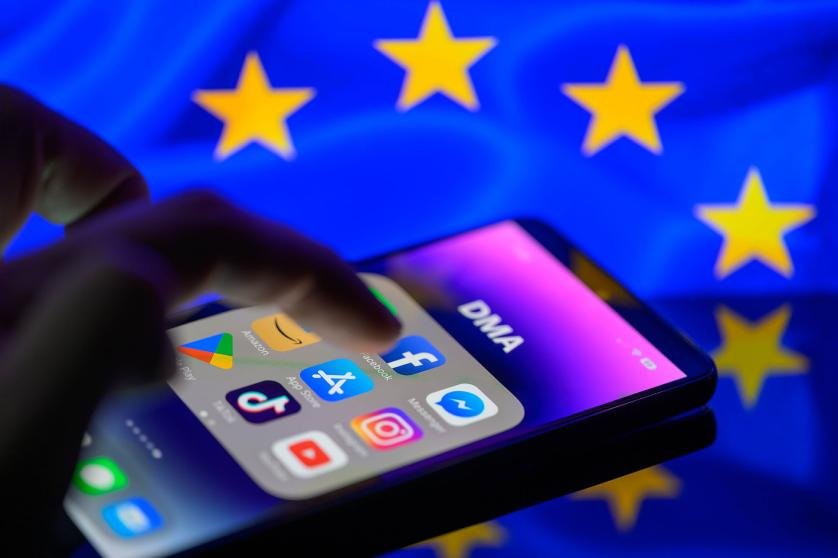
Your favorite apps are changing—and it’s not by accident. From app stores to social media feeds, new EU digital rules are quietly reshaping how platforms work.
If you’ve noticed new consent pop-ups, alternative app stores, or changes in recommendations, you’re already seeing the impact. This guide explains the EU’s digital rules in plain English and shows exactly how they’ll affect the apps you use every day.
What Are the EU Digital Rules?
The term “EU digital rules” mainly refers to two landmark laws:
Digital Markets Act (DMA)
The DMA targets the biggest tech platforms, known as “gatekeepers.” These are companies that control major digital ecosystems like app stores, search engines, and social networks.
Key goal:
Promote competition and prevent unfair advantages.
Digital Services Act (DSA)
The DSA focuses on user safety, transparency, and accountability online.
Key goal:
Create a safer, more transparent digital environment for users.
Together, these rules reshape how apps are built, distributed, and monetized across Europe—and often beyond.
Why the EU Introduced These Rules
Problems the EU Wanted to Fix
For years, regulators identified recurring issues:
- Limited user choice in app stores
- Self-preferencing by large platforms
- Lack of transparency in ads and algorithms
- Weak action against harmful or illegal content
The EU believes digital markets became too concentrated, reducing innovation and user control.
Who Must Follow the Rules?
The rules mainly apply to:
- Large tech companies operating in the EU
- Apps with millions of European users
- Platforms acting as intermediaries between businesses and consumers
Even if you live outside Europe, global apps often apply the same changes worldwide.
How EU Digital Rules Affect Your Favorite Apps
App Stores and Downloads
One of the biggest changes affects app stores.
What’s changing:
- Alternative app stores are now allowed
- Developers can offer third-party payment options
- Fewer restrictions on app distribution
What it means for users:
- More choice in where you download apps
- Potentially lower prices due to reduced fees
- New app store experiences on mobile devices
This is especially noticeable on mobile operating systems that previously limited app installation options.
Messaging and Social Media Apps
Messaging platforms are being pushed toward interoperability.
Possible changes include:
- Messaging apps supporting cross-platform chats
- Easier data portability between services
- More transparency about content moderation
This could eventually allow users to message contacts across different platforms without switching apps.
Search, Shopping, and Recommendation Apps
Search and marketplace apps must avoid unfair self-promotion.
What’s affected:
- Product rankings
- Search result placement
- App recommendations
For users, this means:
- More diverse results
- Increased visibility for smaller competitors
- Less bias toward the platform’s own services
Advertising and Privacy Controls
The DSA strengthens transparency in digital advertising.
New requirements include:
- Clear labeling of ads
- Disclosure of why you see specific ads
- Limits on targeted ads using sensitive data
Users gain more insight into how ads are personalized and more control over data usage.
Benefits for Everyday Users
More Choice and Flexibility
Users benefit from:
- Alternative app stores
- More payment options
- Easier switching between services
Competition usually leads to better features and pricing.
Better Transparency
Apps must explain:
- How content is recommended
- Why ads are shown
- How moderation decisions are made
This reduces the “black box” feeling of modern platforms.
Stronger User Protection
The DSA improves:
- Reporting tools for harmful content
- Faster response requirements
- Platform accountability
This is especially important for younger users and non-technical audiences.
Potential Downsides and Challenges
Short-Term Confusion
Some users may experience:
- Frequent consent requests
- Interface changes
- New settings to manage
These adjustments can feel overwhelming at first.
Feature Delays or Restrictions
In some cases, companies may:
- Delay new features in the EU
- Limit functionality temporarily
- Roll out changes gradually
This can create inconsistent experiences across regions.
Pros and Cons of EU Digital Rules
Pros
- Increased competition
- More user control over data
- Fairer app ecosystems
- Improved transparency
Cons
- Initial usability challenges
- Compliance costs passed to users
- Slower rollout of experimental features
Overall, the long-term benefits are expected to outweigh the short-term friction.
How App Developers Are Adapting
Developers are adjusting strategies to stay compliant.
Key adaptations include:
- Redesigning payment systems
- Updating privacy policies
- Modifying recommendation algorithms
- Offering clearer disclosures
Smaller developers often benefit the most, gaining fairer access to users.
Common Questions About EU Digital Rules
Do these rules only apply in Europe?
Legally, yes. Practically, many global apps apply the same changes worldwide to simplify operations.
Will apps become cheaper because of these rules?
In some cases, yes. Reduced platform fees can lead to lower prices or better subscription options.
Are my messages less private under these laws?
No. The rules do not weaken encryption. They focus on transparency and competition, not surveillance.
Will I need to change my apps or settings?
Most changes happen automatically. You may see new settings or consent options, but no forced actions.
Do these rules affect small apps?
Small apps are generally not targeted. In fact, many benefit from reduced barriers and fairer competition.
What to Expect Next
The EU will continue refining enforcement, and platforms will keep adjusting.
Future developments may include:
- Expanded interoperability
- Stronger AI transparency rules
- More consistent global standards
Other regions are already studying similar approaches.
Read more: Top 5 Tech Startups to Watch for Disruptive Consumer Gadgets
Conclusion
The EU digital rules mark a major shift in how apps operate behind the scenes. While the changes may feel subtle at first, they directly affect your choices, privacy, and control.
As platforms adapt, users gain more transparency and flexibility. Over time, these rules could redefine global app standards—not just in Europe, but everywhere apps are used.
