

Introduction
In today’s digital world, privacy is more than a preference—it’s a necessity. With hackers, data breaches, and surveillance becoming commonplace, how can you be sure your messages, files, and calls are truly secure? The answer lies in end-to-end encryption (E2EE). This technology ensures only you and the intended recipient can access your data, keeping it safe from prying eyes.
In this article, we’ll break down what end-to-end encryption is, why it matters, how it works, and which platforms use it to protect your digital communication.
What Is End-to-End Encryption?
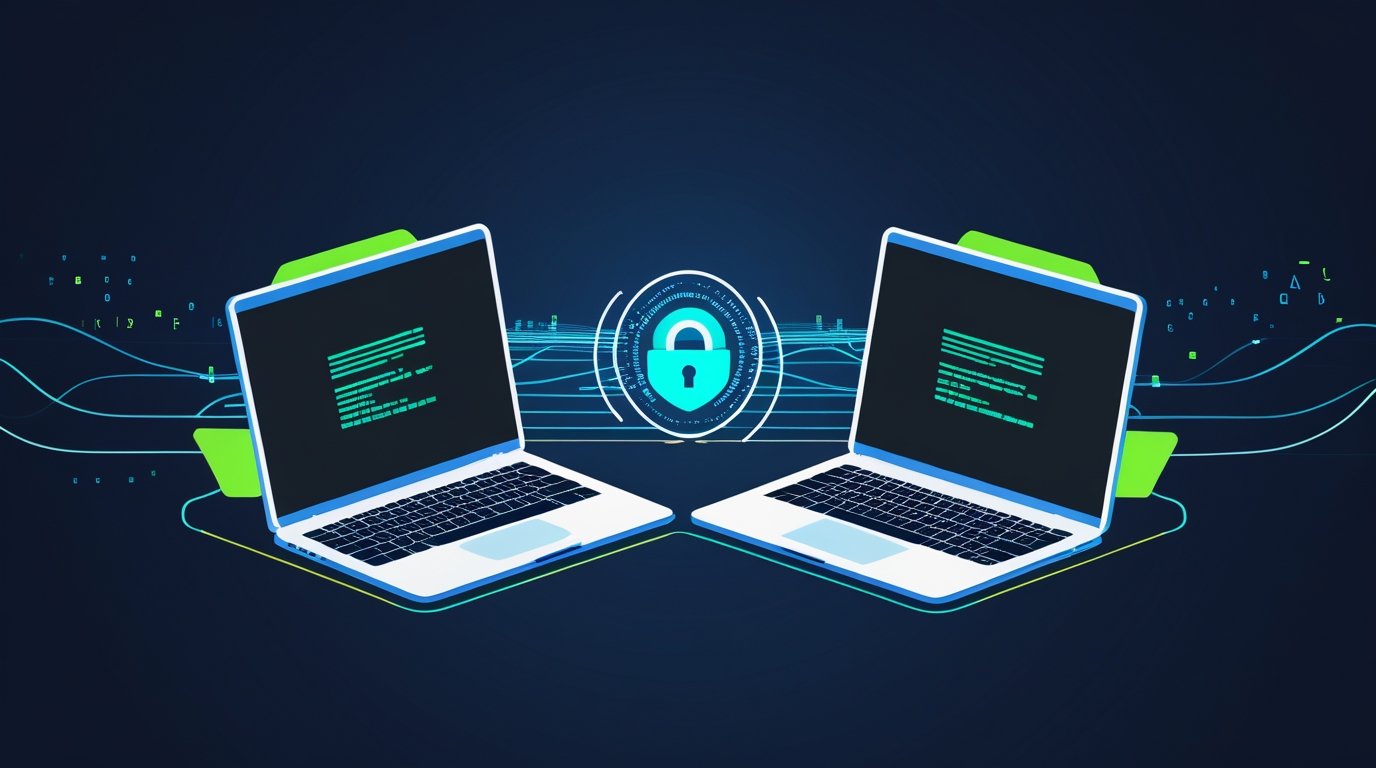
End-to-end encryption is a method of securing communication so that only the sender and the receiver can read the content. Even the service provider that transmits the message cannot decrypt it.
How It Works
- Encryption at the source: Your message is converted into an unreadable format before leaving your device.
- Transmission: The encrypted message travels across servers and networks.
- Decryption at the destination: Only the recipient’s device can decrypt the message using a private key.
Think of it like sending a locked box through the mail: only the person with the key can open it, no matter who intercepts it along the way.
Common Use Cases
- Messaging apps like WhatsApp and Signal
- Secure video calls via Zoom or FaceTime (with E2EE enabled)
- Cloud storage services offering end-to-end encryption for files
Why End-to-End Encryption Matters
Protects Personal Privacy
Without E2EE, service providers or hackers could potentially access your sensitive information. Encryption ensures that private conversations, financial information, and personal files remain confidential.
Guards Against Cyberattacks
Cybercriminals constantly exploit unsecured communication channels. E2EE prevents attackers from reading intercepted messages, reducing the risk of identity theft, financial fraud, and corporate espionage.
Ensures Data Integrity
End-to-end encryption not only keeps messages private but also prevents tampering. Any attempt to alter the message in transit would be detected immediately.
Benefits of End-to-End Encryption
- Maximum privacy: Only the intended recipient can read your messages.
- Enhanced security: Reduces the risk of hacking and data leaks.
- Trust and compliance: Supports regulatory requirements like GDPR for businesses.
- Peace of mind: Knowing your conversations and files are safe.
Potential Limitations
- Device dependency: If your device is compromised, encryption offers little protection.
- Complex key management: Losing encryption keys may result in permanent data loss.
- Limited backup options: Some E2EE services restrict cloud backups for security reasons.
Examples of End-to-End Encryption in Action
| Service | Type | Notes |
|---|---|---|
| Messaging | All chats and calls are E2EE by default | |
| Signal | Messaging & Calls | Open-source, highly secure |
| ProtonMail | Offers encrypted email between users | |
| iCloud Keychain | Passwords & Files | Uses E2EE for sensitive data storage |
Read more: How Edge Computing Differs from the Cloud — Plain English Guide
Frequently Asked Questions(FAQs)
Q: Is end-to-end encryption unbreakable?
A: While extremely secure, E2EE depends on proper implementation and device security. It is highly resistant to attacks but not invincible if devices are compromised.
Q: Do all messaging apps use E2EE?
A: No. Some apps, like standard SMS or Facebook Messenger (without secret chat mode), do not offer true E2EE.
Q: Can law enforcement access my E2EE messages?
A: Not directly. Only the sender and recipient can decrypt messages. Authorities would need access to your device to read the content.
Q: Does E2EE affeQct performance?
A: Minimal impact. Modern devices handle encryption and decryption efficiently without noticeable delay.
Conclusion
End-to-end encryption is more than a buzzword—it’s a critical safeguard for your digital life. From protecting personal privacy to securing sensitive business communications, E2EE ensures that your data remains confidential and untampered.
As cyber threats evolve, adopting encrypted services is no longer optional. Whether you’re messaging friends, storing files, or making calls, choosing platforms with end-to-end encryption gives you peace of mind and tangible protection.
